

Getting Your Locks Ready for Winter in Mission Bay – Common Questions Answered
Why winter lock issues matter for Eastern Bays homes
As winter approaches in Mission Bay and the surrounding Eastern Bays, many homeowners start noticing small changes in how their doors and locks feel. Cooler temperatures, higher moisture levels, and coastal air can all affect lock performance, often in ways that are easy to overlook at first.
What begins as a stiff key or a door that needs extra force can quickly turn into a lockout or a broken key at the worst possible time. Understanding why these problems happen helps you prevent them before winter sets in.
Why locks tend to stick more during winter
Metal components inside a lock can react to colder temperatures by contracting slightly. At the same time, increased moisture in the air allows dirt, salt, and grime to build up inside the mechanism.
In coastal suburbs like Mission Bay, salty air can speed up internal wear. Locks that felt fine through summer may suddenly feel rough or unreliable once winter arrives.
Can cold weather cause keys to snap?
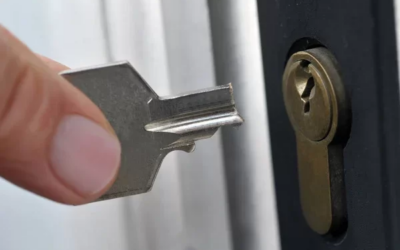
Yes, winter is a common time for snapped keys. When a lock becomes stiff, people naturally apply more force to turn the key, especially during cold mornings.
This added pressure, combined with worn internal pins, can cause keys to bend or break. Older keys are particularly vulnerable when locks have not been serviced.
Should locks be serviced before winter?
A pre-winter lock service is one of the simplest ways to avoid problems later. Servicing allows wear to be identified early, before parts fail completely.
This is especially important for front doors, garage access doors, and external gates that are used daily and exposed to weather.
Benefits of a pre-winter lock check
- Reduces the risk of winter lockouts
- Extends the life of existing locks
- Improves smooth operation in cold conditions
- Identifies corrosion before it causes damage
Are some locks better for coastal winter conditions?
Not all locks are designed to cope equally well with damp, salty environments. Higher-quality locks made with corrosion-resistant materials tend to perform more reliably through winter.
Many homes in the Eastern Bays still have older locks that cope in summer but struggle in winter due to internal corrosion or general wear.
Why doors can feel harder to lock in winter
Seasonal temperature changes can cause doors to shift slightly within their frames. Timber doors are particularly prone to this movement.
When alignment changes, the lock may no longer line up cleanly with the strike plate, making it feel stiff or requiring extra force to turn.
Winter considerations for rental properties
Rental properties often experience heavier door use, especially during winter when doors are opened and closed more frequently due to weather and reduced daylight.
Checking locks before winter helps avoid emergency callouts, tenant frustration, and after-hours repairs during colder months.
Do smart and digital locks need winter checks?
Smart and digital locks can also be affected by winter conditions. Moisture exposure, cold temperatures, and battery performance all play a role in reliability.
A winter check ensures the lock is correctly installed, sealed where needed, and operating as intended when conditions are less forgiving.
Warning signs a lock may struggle through winter
Locks often give early signals before failing. Paying attention to these signs can help you act before a complete breakdown occurs.
- Keys needing extra force to turn
- Rough or uneven movement inside the lock
- Locks working better during the day than early mornings
- Visible rust or corrosion around the lock
A sensible approach before winter sets in
Winter lock issues are far easier to prevent than repair. A simple inspection or service now can help ensure your doors, gates, and access points remain reliable throughout the colder months.
If you live in Mission Bay, St Heliers, Kohimarama, or the wider Eastern Bays, taking a proactive approach before winter arrives is a practical step that can save stress later on.